
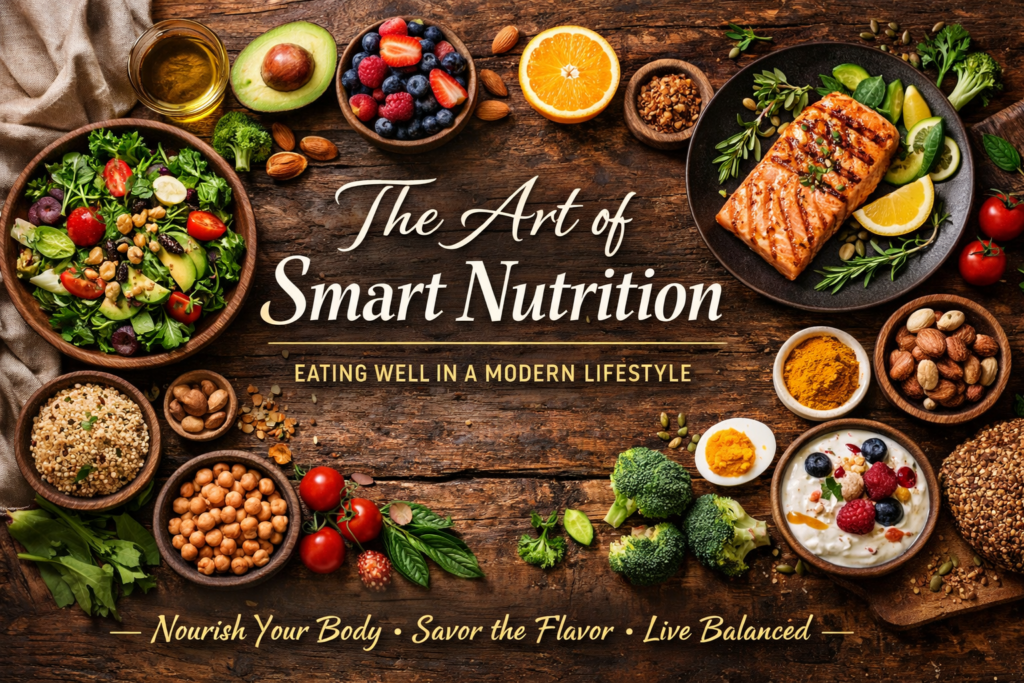
Where Taste Meets Health, and Every Bite Matters
In today’s fast-paced world, nutrition often takes a back seat to convenience. With long working hours, busy schedules, and easy access to processed foods, many people find it challenging to maintain a balanced diet. However, smart nutrition is not about strict dieting or giving up your favorite foods—it’s about making informed choices that nourish your body while still enjoying what you eat.
At its core, nutrition is the foundation of health, energy, and overall well-being. When approached thoughtfully, it can transform not just your physical health, but also your mood, productivity, and quality of life.
Understanding the Basics of Nutrition
Nutrition is the process by which our body takes in and utilizes food for growth, metabolism, and repair. The essential components of a balanced diet include:
- Carbohydrates – The body’s primary source of energy
- Proteins – Crucial for muscle repair and growth
- Fats – Important for brain health and hormone production
- Vitamins & Minerals – Essential for immunity and overall function
- Water – The most overlooked yet vital nutrient
A balanced plate is not about restriction—it’s about proportion. Including a variety of whole foods ensures that your body gets everything it needs to function optimally.
The Rise of Mindful Eating
One of the biggest trends in modern nutrition is mindful eating. This practice encourages individuals to be fully present while eating—paying attention to flavors, textures, and hunger cues.
Mindful eating helps:
- Prevent overeating
- Improve digestion
- Enhance the enjoyment of food
- Build a healthier relationship with meals
Instead of rushing through meals or eating in front of screens, taking time to savor each bite can significantly impact how your body processes food.
The Power of Whole Foods
Whole foods are minimally processed and as close to their natural form as possible. These include fresh fruits, vegetables, whole grains, nuts, seeds, and lean proteins.
Benefits of whole foods:
- Rich in nutrients
- Free from harmful additives
- Support better digestion
- Provide sustained energy
For example, replacing refined grains with whole grains like brown rice or quinoa can stabilize blood sugar levels and improve overall health.
Superfoods: Trend or Truth?
The term “superfood” has gained popularity in recent years, but what does it really mean?
Superfoods are nutrient-dense ingredients that provide exceptional health benefits. While no single food can work miracles, incorporating these into your diet can boost your nutrition:
- Berries – High in antioxidants
- Leafy greens – Packed with vitamins and fiber
- Nuts and seeds – Rich in healthy fats
- Turmeric – Known for its anti-inflammatory properties
- Yogurt – Supports gut health
The key is balance. Superfoods should complement your diet, not replace a well-rounded meal plan.
Protein: The Building Block of Life
Protein plays a crucial role in maintaining muscle mass, repairing tissues, and supporting immune function. It’s especially important for active individuals and those looking to maintain a healthy weight.
Good sources of protein include:
- Lean meats and poultry
- Fish and seafood
- Eggs
- Legumes and lentils
- Dairy products
- Plant-based options like tofu and quinoa
Including protein in every meal helps keep you full longer and stabilizes energy levels throughout the day.
The Importance of Hydration
Water is often overlooked in discussions about nutrition, yet it is essential for nearly every bodily function.
Proper hydration:
- Aids digestion
- Regulates body temperature
- Improves skin health
- Enhances cognitive performance
A simple habit like starting your day with a glass of water or carrying a reusable bottle can make a significant difference.
Balancing Indulgence and Discipline
One of the biggest misconceptions about nutrition is that it requires giving up indulgent foods. In reality, balance is the key.
The 80/20 rule is a practical approach:
- 80% of your diet: wholesome, nutrient-rich foods
- 20%: occasional treats and indulgences
This approach allows you to enjoy your favorite dishes without guilt while maintaining overall health.
The Role of Culinary Creativity in Nutrition
Nutrition doesn’t have to be boring. In fact, creativity in the kitchen can transform healthy ingredients into exciting, flavorful dishes.
As a chef, incorporating nutrition into culinary art means:
- Using fresh herbs for natural flavor
- Reducing excess salt and sugar
- Experimenting with global cuisines
- Presenting dishes beautifully to enhance appetite
For example, a simple grilled fish can be elevated with a citrus herb dressing, turning it into a gourmet yet healthy meal.
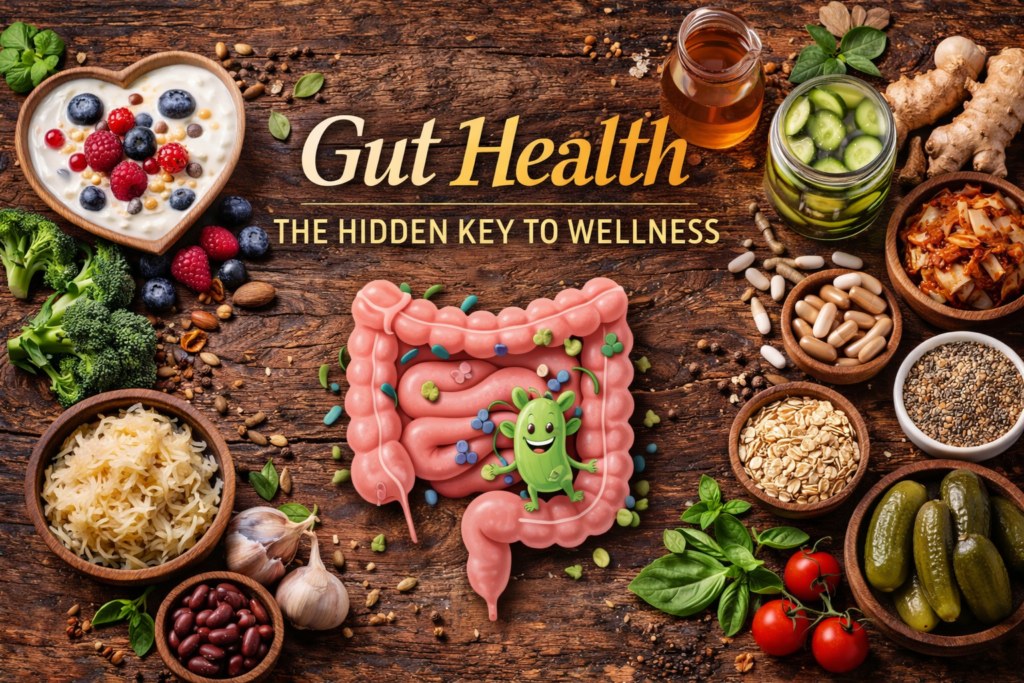
Gut Health: The Hidden Key to Wellness
The gut is often referred to as the “second brain,” and for good reason. A healthy gut plays a vital role in digestion, immunity, and even mental health.
To support gut health:
- Include probiotics (yogurt, fermented foods)
- Eat fiber-rich foods (fruits, vegetables, whole grains)
- Limit processed and sugary foods
A balanced gut microbiome can improve everything from digestion to mood stability.
Sustainable Eating: The Future of Nutrition
Modern nutrition is not just about personal health—it’s also about the health of the planet. Sustainable eating focuses on choosing foods that are environmentally friendly and ethically sourced.
This includes:
- Supporting local produce
- Reducing food waste
- Choosing seasonal ingredients
- Opting for plant-based meals more often
Sustainable choices not only benefit the environment but also ensure fresher and more nutritious food.
Practical Tips for Everyday Nutrition
Adopting a healthier lifestyle doesn’t require drastic changes. Small, consistent habits can lead to long-term results:
- Start your day with a balanced breakfast
- Include vegetables in every meal
- Plan meals ahead to avoid unhealthy choices
- Read food labels carefully
- Practice portion control
- Stay active alongside a healthy diet
Consistency is more important than perfection.
Conclusion: A Lifestyle, Not a Diet
Nutrition is not a temporary change—it’s a lifelong journey. By making conscious choices, embracing balance, and enjoying the process, you can create a sustainable and fulfilling relationship with food.
The goal is not just to eat less or eat differently, but to eat smarter.
When culinary passion meets nutritional awareness, food becomes more than just fuel—it becomes an experience that nourishes both body and soul.
